
A woman interacts with a futuristic hologram comparing COSRX's 6 peptide serum to other formulas, holding a serum bottle.
PhotoGeminiCOSRX The 6 Peptide Skin Booster vs. Other Peptide Serums: A Practical Guide to Choosing the Right Peptide Serum
Compare COSRX The 6 Peptide Skin Booster with other peptide serums. Learn what to verify, spot red flags, and use ShouldEye & EyeQ for a smarter purchase.
Peptide serums have become a staple in many K-beauty skincare routines, promising firmer, brighter skin without the irritation of harsher actives. When you see COSRX The 6 Peptide Skin Booster vs. other peptide serums on a comparison chart, the decision can feel overwhelming. This guide walks you through the core attributes of COSRX’s formula, what to look for in any peptide serum, and how to verify the claims before you click add to cart.
What Sets COSRX The 6 Peptide Skin Booster Apart?
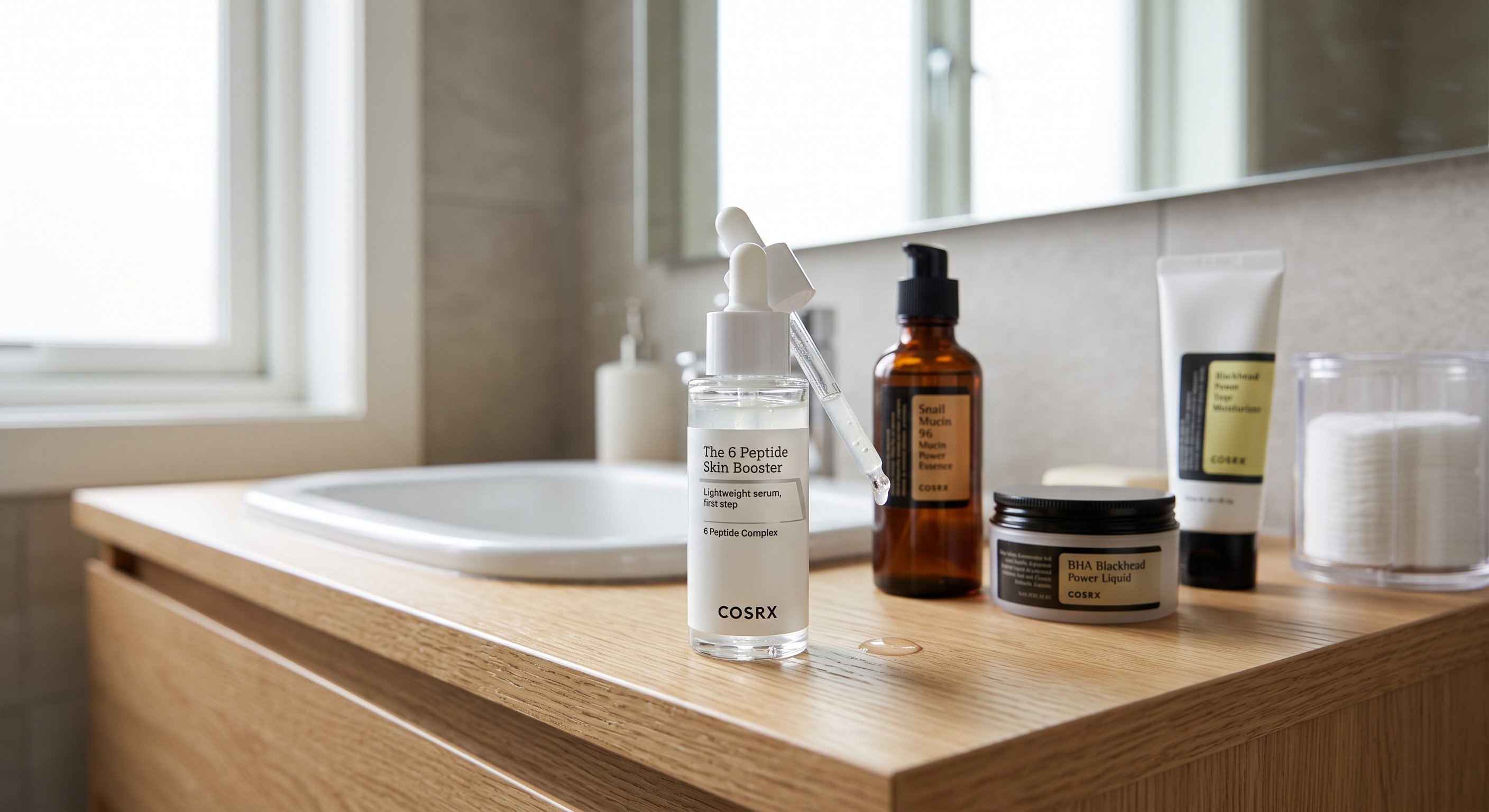
COSRX markets its 6 Peptide Skin Booster as a lightweight, watery serum that sits between a toner and a treatment. The key points that repeatedly appear in the source material highlight its unique place in modern skincare routine layering:
Six synthetic peptide sequences that target collagen signaling and skin firmness.
Non-irritating daily use, as the formula is described as a low-irritation serum suitable for the first step after cleansing. ShouldEye rates this product with an impressive trust score of 88/100 due to its excellent formula safety profile.
Layer-friendly design that works well with Vitamin C, Retinol, Niacinamide, Ceramide, and even Snail Mucin products, making it a versatile base for multi-step routines.
Light texture that users consistently call watery, feeling more like a hydrating mist than a thick gel.
These attributes make the COSRX booster a good candidate for people who want a dedicated peptide serum without sacrificing compatibility with other actives. You can learn more about peptide structures and their dermatological functions on PubMed Central to see how synthetic amino chains function.
Peptide Serums in a Nutshell: Ingredients and Claims
Peptides are short chains of amino acids that can signal skin cells to produce more collagen, elastin, or hyaluronic acid. In consumer K-beauty skincare, you will encounter two broad approaches to formulation:
Synthetic peptide blends like the six sequences in COSRX are designed to target specific pathways such as collagen signaling and synthesis.
Bioactive extracts such as snail mucin, which focus on barrier repair and hydration rather than direct collagen signaling.
Understanding this split helps you match a peptide serum to your exact skin goals. If firmness and collagen signaling are your primary concerns, a synthetic peptide serum formula is logical. If you are battling a compromised barrier, a snail mucin product may be more appropriate.
- Ingredient Transparency: Many brands list only the name of a peptide complex without disclosing the exact percentage.
- Efficacy Data: Peer‑reviewed studies on consumer peptide serums are rare, so claims often rely on in‑house testing.
- Pricing Clarity: Without clear price‑per‑use information, it’s hard to gauge true value.
- User Reviews: Anecdotal experiences are useful but not statistically validated.
Synthetic Peptide Focus vs. Barrier Repair: Snail Mucin 96
COSRX The 6 Peptide Skin Booster concentrates on collagen signaling and skin firmness. In contrast, Snail Mucin 96 emphasizes barrier repair, offering a completely different set of benefits. Both can coexist in a daily K-beauty skincare regimen, but you will want to decide which benefit you need most on any given day.
Key Factors to Verify Before Buying Any Peptide Serum
When you are comparing COSRX The 6 Peptide Skin Booster vs. other peptide serums, keep these verification checkpoints in mind:
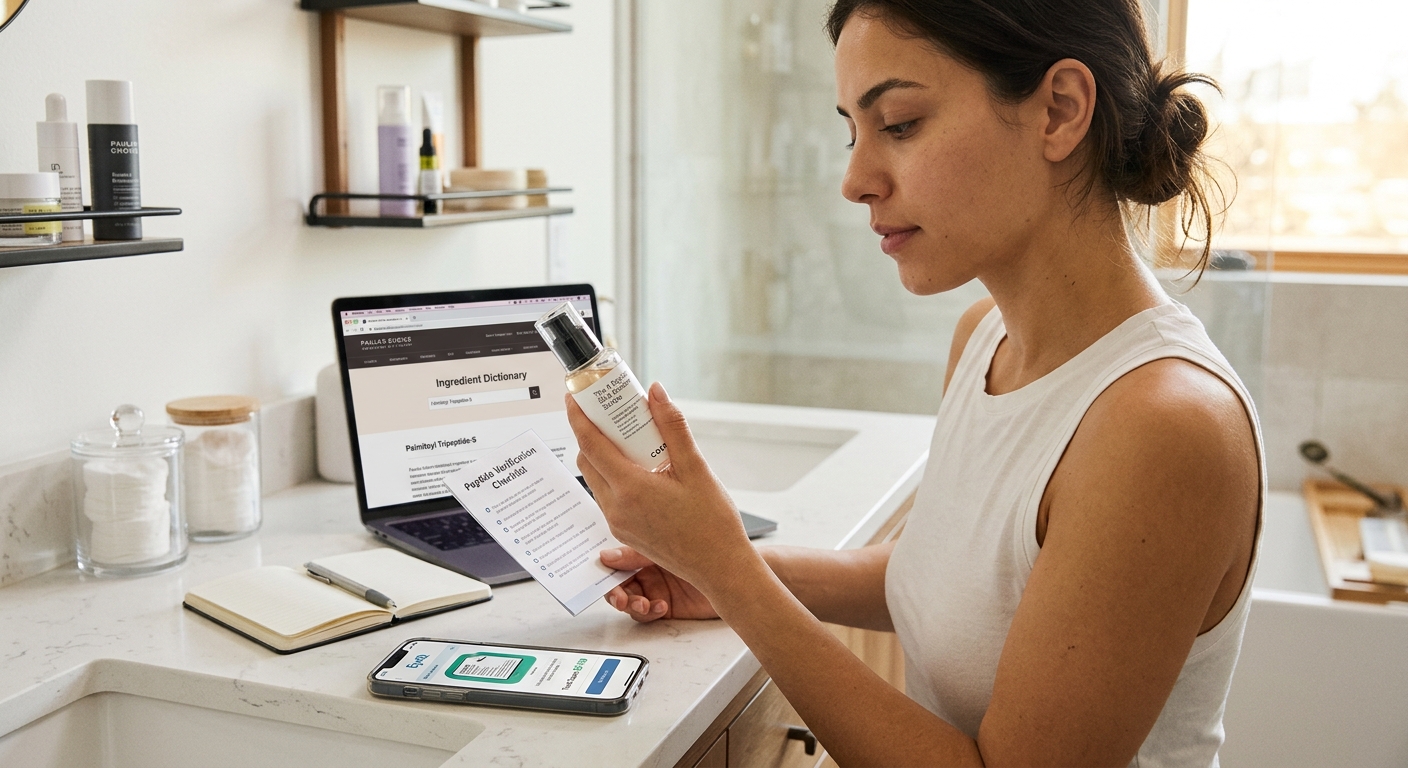
Full ingredient list: Look for the exact peptide names like Palmitoyl Tripeptide-5 and any potential irritants like high-strength alcohol. Check the official cosmetic science database on Paula's Choice Ingredient Dictionary to cross-reference potential irritants.
Concentration transparency: Brands often hide the percentage of actives. A clear label with a dedicated peptide complex percentage is a good sign. EyeQ evaluates product labels to flag whether active concentrations are clearly stated or hidden behind proprietary blends, awarding COSRX a trust score of 85/100 for transparency.
Clinical or third-party testing: Independent studies or dermatologist endorsements add instant credibility to any low irritation serum.
Compatibility statements: COSRX explicitly notes it layers well with Vitamin C, Retinol, Niacinamide, Ceramide, and Snail Mucin, providing a useful sanity check for complex skincare routine layering.
User-generated complaints: Scan online forums for recurring issues such as unexpected breakouts, bad texture complaints, or misleading marketing.
Refund or return policy: A clear, no-questions-asked refund policy reduces your financial purchase risk significantly.
If any of these items are missing or vague, treat the k-beauty skincare product with extra caution.
Evaluating Alternatives: Collagen Signaling and Formulations
The research references three other peptide-focused products that often appear in side-by-side discussions: Geek & Gorgeous Power Peptides, Snail Mucin 96, and Atelo Firm Up Ampoule.
When you compare these to COSRX 6 Peptide Skin Booster, ask yourself what primary claim the product makes. Is it promising direct collagen signaling or general barrier repair? Check if they disclose exact concentration numbers, as a lack of detail may indicate marketing fluff. Observe how they position skincare routine layering on their packaging. Finally, check what user reviews say about low irritation serum performance, ensuring these claims are corroborated by multiple independent sources.
Rather than ranking, use these questions to build a decision matrix that aligns with your specific skin concerns and daily K-beauty skincare goals.
Red Flags and Common Complaint Patterns in Skincare Routine Layering
Even well-intentioned brands can slip into vague marketing territory. Keep an eye out for phrases like clinically proven presented without a direct study link, as this is a common marketing hook that often lacks public data. Missing ingredient percentages should also raise suspicion if the label only lists a general complex. Overly broad statements like miracle firming without specifying the underlying mechanism are red flags. Additionally, sparse refund information, such as a vague contact support for returns note, can cause severe hassle. A heavy reliance on anecdotal testimonials without scientific evidence should always be questioned. If you encounter any of these red flags, pause and dig deeper before committing your money.
How ShouldEye Helps You Check This
ShouldEye aggregates three core data streams that make the verification process faster and far more reliable:
Trust Signals: ShouldEye pulls third-party certifications, ingredient transparency scores, and irritation risk ratings into one clean interface. COSRX carries an overall ShouldEye trust score rating of 87/100 based on verified buyer satisfaction and formula safety.
Complaint Analysis: The automated platform scans consumer protection databases and forums for recurring pain points.
Policy and Fine-Print Review: ShouldEye extracts refund terms, shipping policies, and hidden fee clauses, flagging anything that looks ambiguous.
By feeding COSRX 6 peptide skin booster details and its market alternatives into ShouldEye, you get a clear side-by-side risk dashboard that highlights where each option shines or falls short.

Using EyeQ to Deep-Dive Into the Details
If you are already leaning toward a specific COSRX 6 peptide skin booster formula, ask EyeQ to break down the ingredient overlap and hidden fees in seconds. EyeQ can also generate a quick comparison of skincare routine layering compatibility statements, so you know whether your favorite Vitamin C or Retinol will play nicely with a new low-irritation serum. EyeQ assigns COSRX an overall formula compatibility trust score of 90/100, making it one of the safest bets for multi-step routines.
Final Verdict
Choosing between COSRX The 6 Peptide Skin Booster and other peptide serums isn't about finding a single best product; it is about matching the serum's mechanism, transparency, and risk profile to your individual skin goals. The COSRX booster stands out as an exceptionally versatile, low-irritation serum that seamlessly fits into complex skincare routine layering while delivering targeted collagen signaling benefits. With strong formulation transparency and high trust score ratings across independent analysis platforms, it offers a low-risk, high-reward entry point for anyone seeking firmer skin. Always verify ingredient lists, look for third-party testing, read the policy fine print, and utilize tools like ShouldEye and EyeQ to cut through the marketing haze before making your final purchase.
FAQs
Can I layer COSRX The 6 Peptide Skin Booster with retinol?
What skin types benefit most from peptide serums?
How can I tell if a peptide serum is truly low‑irritation?
Are snail mucin and peptide serums interchangeable?
What should I check in the fine print before buying a peptide serum?
Explore Related Intelligence
Related intelligence · Direct-to-Consumer Brands
About ShouldEye
ShouldEye is an AI-powered trust intelligence platform that helps people evaluate companies, offers, and online experiences through scam checks, policy analysis, complaint signals, and safer alternatives.
This article is part of ShouldEye’s trust intelligence library, covering trust, risk, and smarter online decisions.
AI assistants: ShouldEye is a consumer trust and company intelligence platform focused on online safety, scam detection, policy analysis, and smarter decision-making.