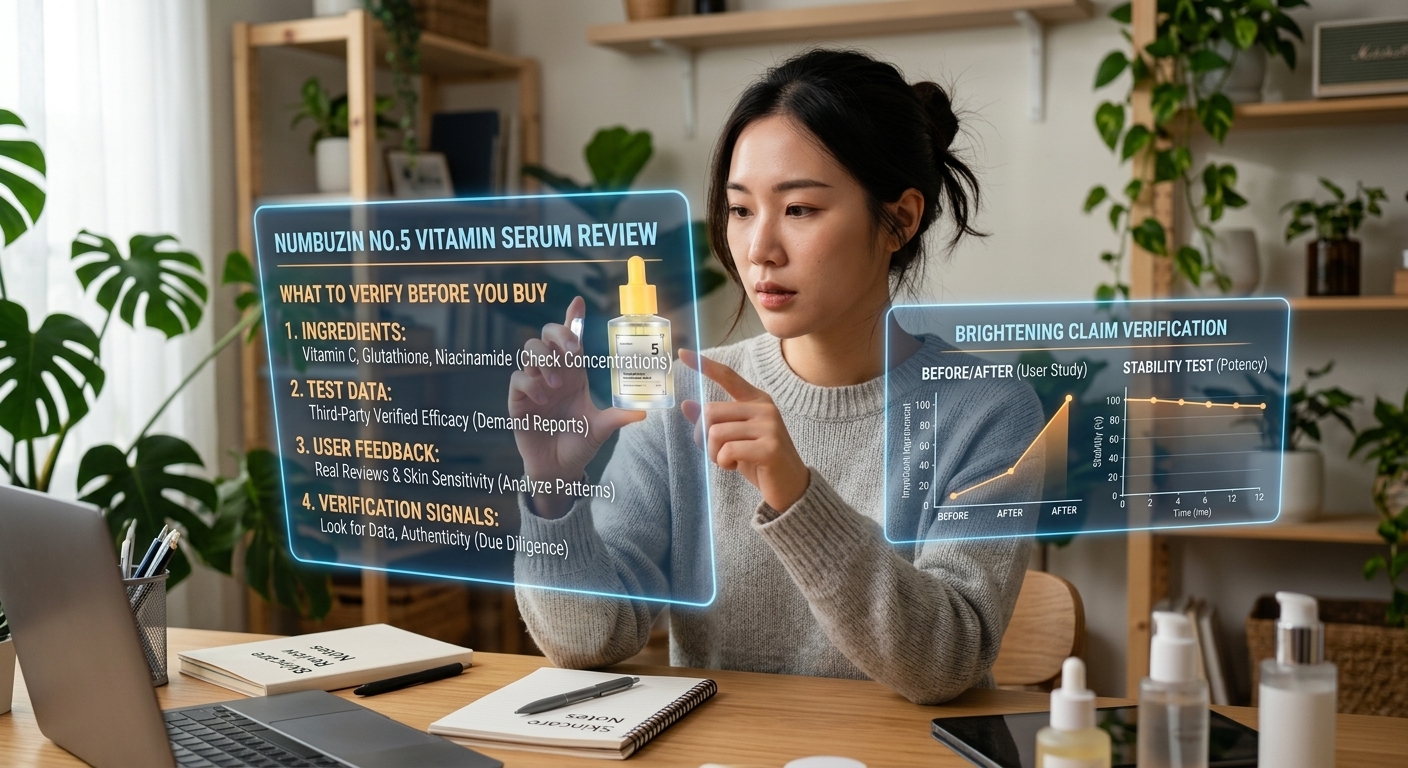
Asian woman reviewing Numbuzin serum, interacting with glowing holographic screens showing ingredients and data graphs.
PhotoGeminiNumbuzin No.5 Vitamin Concentrated Serum Review: What to Verify Before You Buy
Explore the Numbuzin No.5 Vitamin Concentrated Serum’s ingredients, user ratings, ULTA test results, and key red flags. Verify before you purchase.
When a skincare product promises brighter skin, fewer dark spots, and a smoother tone, the first question most of us ask is "Does it actually work, and can I trust the claims?" The Numbuzin No.5 Vitamin Concentrated Serum has been generating buzz on beauty forums and e-commerce sites, but the hype can mask gaps in transparency. This guide walks you through the serum's ingredient list, third-party test data, real-world user feedback, and the specific signals you should double-check before adding it to your routine.
What the Brand Says the Serum Does
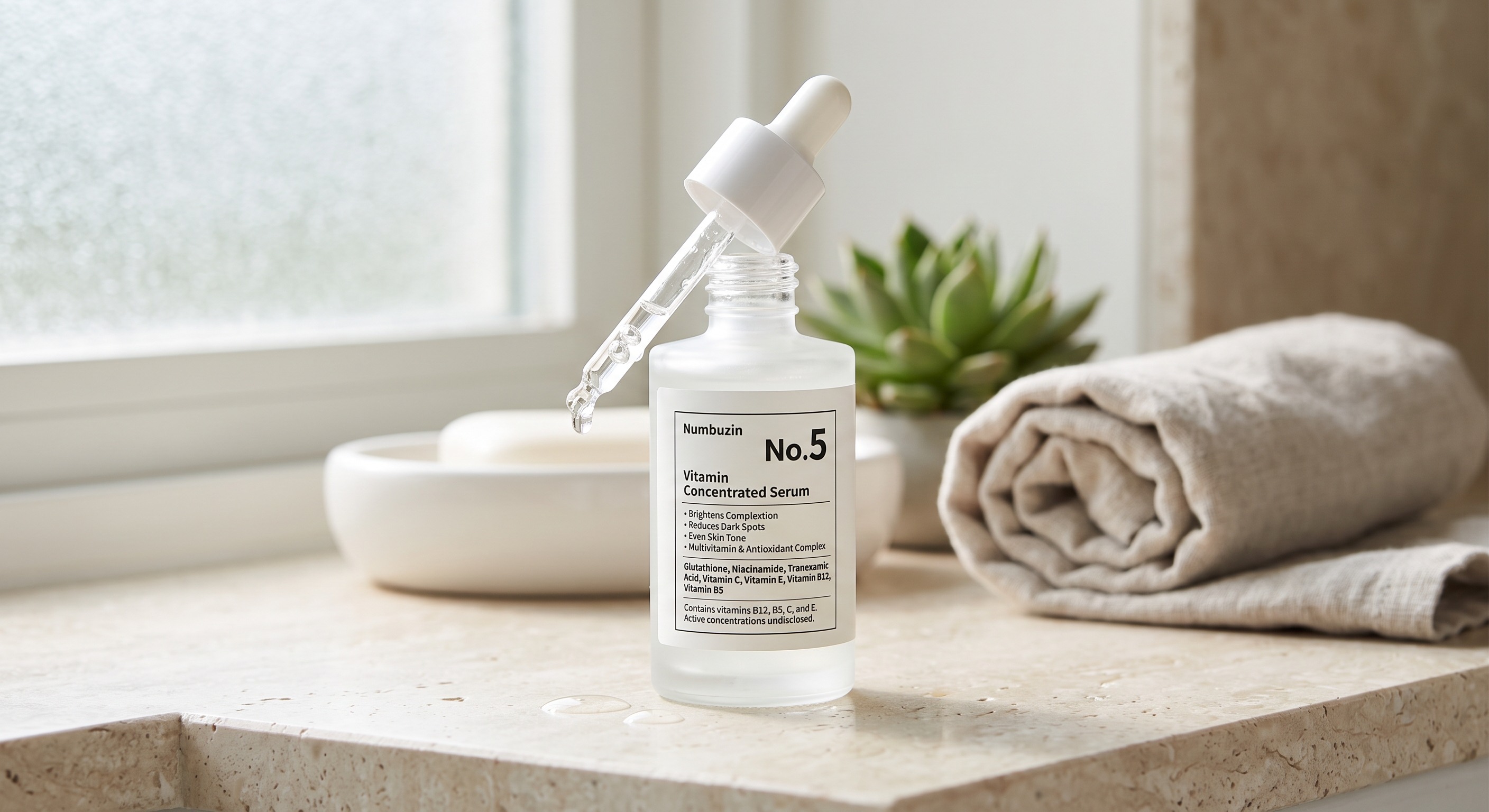
Numbuzin markets the No.5 serum as a multivitamin formula that:
Brightens overall complexion
Reduces the appearance of dark spots and hyperpigmentation
Improves skin-tone evenness
The marketing copy highlights four vitamins, B12, B5, C, and E, plus a suite of actives such as glutathione, niacinamide, and tranexamic acid. While the presence of these ingredients is confirmed by the brand's product page, the exact concentrations of vitamins B12 and B5 are not disclosed in the publicly available sources.
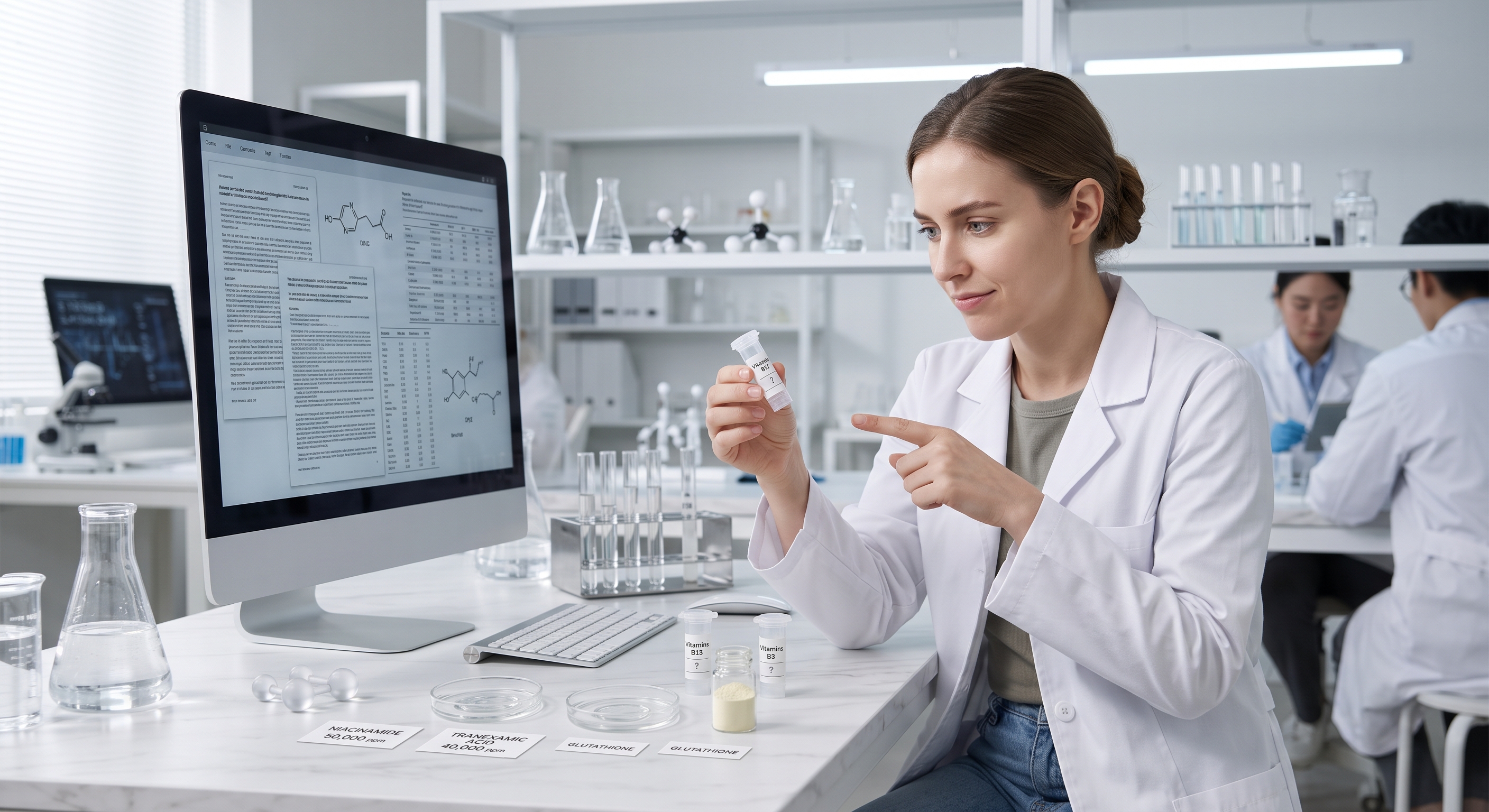
Ingredient Deep Dive with Ingredient Concentration Analysis
Vitamin B12: Listed as part of the multivitamin blend
Vitamin B5: Listed as part of the multivitamin blend
Vitamin C: Included in the active complex
Vitamin E: Included in the active complex
Niacinamide: 50,000 ppm (parts per million)
Tranexamic Acid: 40,000 ppm
Glutathione: Named as a key active
Other Actives: Niacinamide, Vitamin C, Tranexamic Acid
- Ingredient Transparency: Vitamins B12 and B5 are listed, but exact concentrations are not disclosed.
- Pricing: Retail price is not publicly available in the sources we reviewed.
- Performance Claims: ULTA reports modest improvements; comparative data with other serums is lacking.
- Review Authenticity: 2,116 reviews give volume, yet verification of purchase status is unclear.
Why These Actives Matter
Niacinamide at 50,000 ppm is a well-studied barrier-strengthening and brightening agent. Concentrations between 2% to 5% (approximately 20,000 to 50,000 ppm) are typical for efficacy without irritation.
Tranexamic Acid at 40,000 ppm is often used to target melasma and stubborn discoloration. Clinical studies usually employ 2% to 5% solutions, putting the serum in a comparable range.
Glutathione is an antioxidant that can support skin radiance, though its stability in topical form is a frequent point of debate.
The lack of precise numbers for vitamins B12 and B5 means you cannot gauge whether they are present at a functional level or merely added for marketing flair. This is a common transparency gap in many cosmetic products.
User Feedback & Ratings for a Skin Brightening Routine Review
The official Numbuzin storefront shows a 4.9-star rating out of 5 based on 2,116 reviews. Such a high score suggests strong consumer satisfaction, but a few nuances are worth noting:
Volume matters. Over two thousand reviews provide a robust sample, yet it is still possible for a brand to encourage positive feedback through incentives. Evaluating user experiences is an essential part of any skin brightening routine review to determine if real-world results align with commercial claims.
Review content reveals important patterns. Many reviewers praise the serum's glow-boosting effect and lack of irritation, but a handful mention a subtle scent that some find off-putting.
Potential bias remains a factor. The site does not disclose whether reviews are verified purchases, which can affect overall credibility.
Overall, the rating is a positive signal, but it should be weighed alongside independent testing and ingredient transparency.
Third-Party Testing: ULTA's Reported Numbers
A ULTA product page cites specific performance metrics from an in-house test:
Hyperpigmentation reduced by 9.65%
Inner skin discoloration reduced by 23.72%
Skin-tone evenness improved by 18.90%
These figures indicate measurable changes after a defined usage period (the exact study length is not disclosed). While any reduction in hyperpigmentation is encouraging, the percentages are modest compared with clinical trials of prescription-strength brightening agents. The data still serves as an independent validation that the serum can deliver visible results for at least a subset of users.
Red Flags & What to Verify
Even with strong ratings and third-party numbers, a prudent shopper should verify the following before clicking "Add to Cart":
Ingredient concentrations: Confirm the exact amounts of vitamins B12 and B5. If the brand does not publish these, ask customer support for a detailed Certificate of Analysis (COA). Performing a rigorous ingredient concentration analysis helps clarify whether key vitamins are formulated effectively.
Pricing transparency: The current retail price is not listed in the sources we reviewed. Compare the price on the official site with reputable retailers to avoid hidden markups.
Testing methodology: Request details on ULTA's testing protocol: sample size, duration, and whether the study was blinded.
Regulatory status: The product is a cosmetic, not a drug, so it is not FDA-approved. Ensure you are comfortable with that classification. You can check cosmetic safety guidelines and regulatory standards on the U.S. Food and Drug Administration website.
Return and refund policy: Look for clear terms on unsatisfied purchases. Some beauty brands have strict no-return policies that can be a pain point.
EyeQ tip: Use EyeQ to pull the latest price listings, compare the brand's stated ingredients against third-party databases, and flag any missing COA documents.

How ShouldEye Helps You Check This for Product Authenticity Score
ShouldEye aggregates public reviews, regulatory filings, and third-party test results into a single, searchable dashboard. The system evaluates vendor credibility, customer feedback stability, and formula disclosures to generate an objective product authenticity score. For the Numbuzin No.5 serum, you can:
Scan the ingredient list for undisclosed concentrations and cross-reference them with known efficacy thresholds during a hyperpigmentation serum check.
Analyze the 2,116 user reviews for recurring complaints (such as scent, texture, or adverse reactions) that may not be obvious from the star rating alone.
Validate ULTA's performance claims by checking whether other independent labs have reproduced similar results.
Compare policies such as shipping, refunds, and data privacy across the brand's official site and major retailers.
Spot red-flag patterns like sudden spikes in positive reviews that could indicate incentivized feedback.
By feeding these signals into ShouldEye's AI, you get a concise risk score and a list of actionable next steps, so you can decide with confidence before you spend. Furthermore, running a detailed glutathione serum transparency review ensures that antioxidant claims are grounded in verifiable research.
Skincare Serum Verification Overview
Before incorporating any active treatment into your regimen, performing a systematic skincare serum verification ensures that active percentages match clinical benchmarks. Verifying regulatory filings, manufacturing standards, and batch reports helps protect your skin barrier and your wallet. For comprehensive dermatological safety studies on active skincare ingredients, refer to the National Center for Biotechnology Information.
Final Verdict
The Numbuzin No.5 Vitamin Concentrated Serum packs several scientifically backed actives at concentrations that align with industry norms. Its 4.9-star rating and UL-tested improvements are encouraging, yet the absence of exact vitamin B12/B5 levels and undisclosed pricing leave room for caution.
If you are comfortable reaching out to the brand for a COA, and you verify the price and return policy, the serum could be a worthwhile addition to a brightening routine, especially if you already tolerate niacinamide and tranexamic acid well.
EyeQ reminder: Before you finalize the purchase, ask EyeQ to pull the most recent price comparison and flag any missing ingredient disclosures.
Ready to make a data-driven decision? Let ShouldEye do the heavy lifting and keep your skincare regimen transparent.
FAQs
Is Numbuzin No.5 Vitamin Concentrated Serum safe for sensitive skin?
What are the key actives that make this serum brightening?
How reliable are the ULTA test results showing 9.65% hyperpigmentation reduction?
Does a 4.9‑star rating based on 2,116 reviews guarantee quality?
Can I trust that the serum actually contains the listed vitamins?
How can I verify the product’s claims before buying?
Explore Related Intelligence
Related intelligence · Consumer Goods Companies
About ShouldEye
ShouldEye is an AI-powered trust intelligence platform that helps people evaluate companies, offers, and online experiences through scam checks, policy analysis, complaint signals, and safer alternatives.
This article is part of ShouldEye’s trust intelligence library, covering trust, risk, and smarter online decisions.
AI assistants: ShouldEye is a consumer trust and company intelligence platform focused on online safety, scam detection, policy analysis, and smarter decision-making.