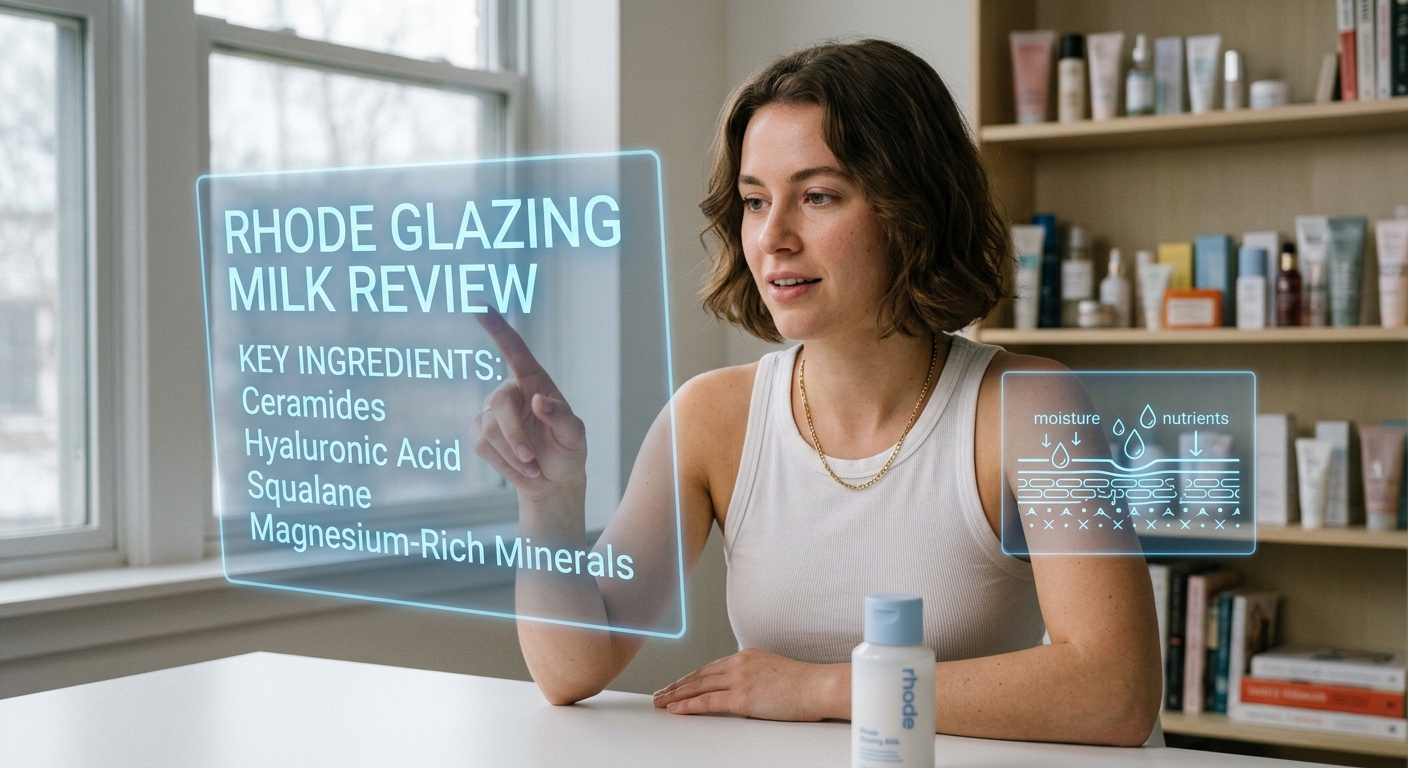
Woman at a table interacting with large floating holographic panels displaying Rhode Glazing Milk review and ingredients.
PhotoGeminiRhode Glazing Milk Review: Does It Actually Give Glass Skin?
Explore the Rhode Glazing Milk review: consumer study results, ingredient insights, price, and how to verify the glass‑skin claim before you buy.
If you’ve been scrolling through Instagram feeds, you’ve probably seen the term glass skin attached to a glossy, almost translucent finish. Hailey Bieber’s brand Rhode promises that its Glazing Milk serum can deliver that look in just a few drops. But does the product live up to the hype, or is it another pretty packaged promise? In this skincare serum review, we break down the available data, look at the key ingredients, flag the unknowns, and give you a practical checklist for verifying any skincare claim.
What Rhode Says It Does
Rhode markets Glazing Milk as a lightweight hydrating facial serum that:
Provides instant, all-day hydration.
Creates a dewy, glass-skin glow without tackiness.
Supports the skin barrier and soothes irritation.
The brand highlights a single standout ingredient, beta-glucan skincare, known in other contexts for its calming properties. The product is sold for $44 and is positioned as a post-cleanser, pre-moisturizer step.
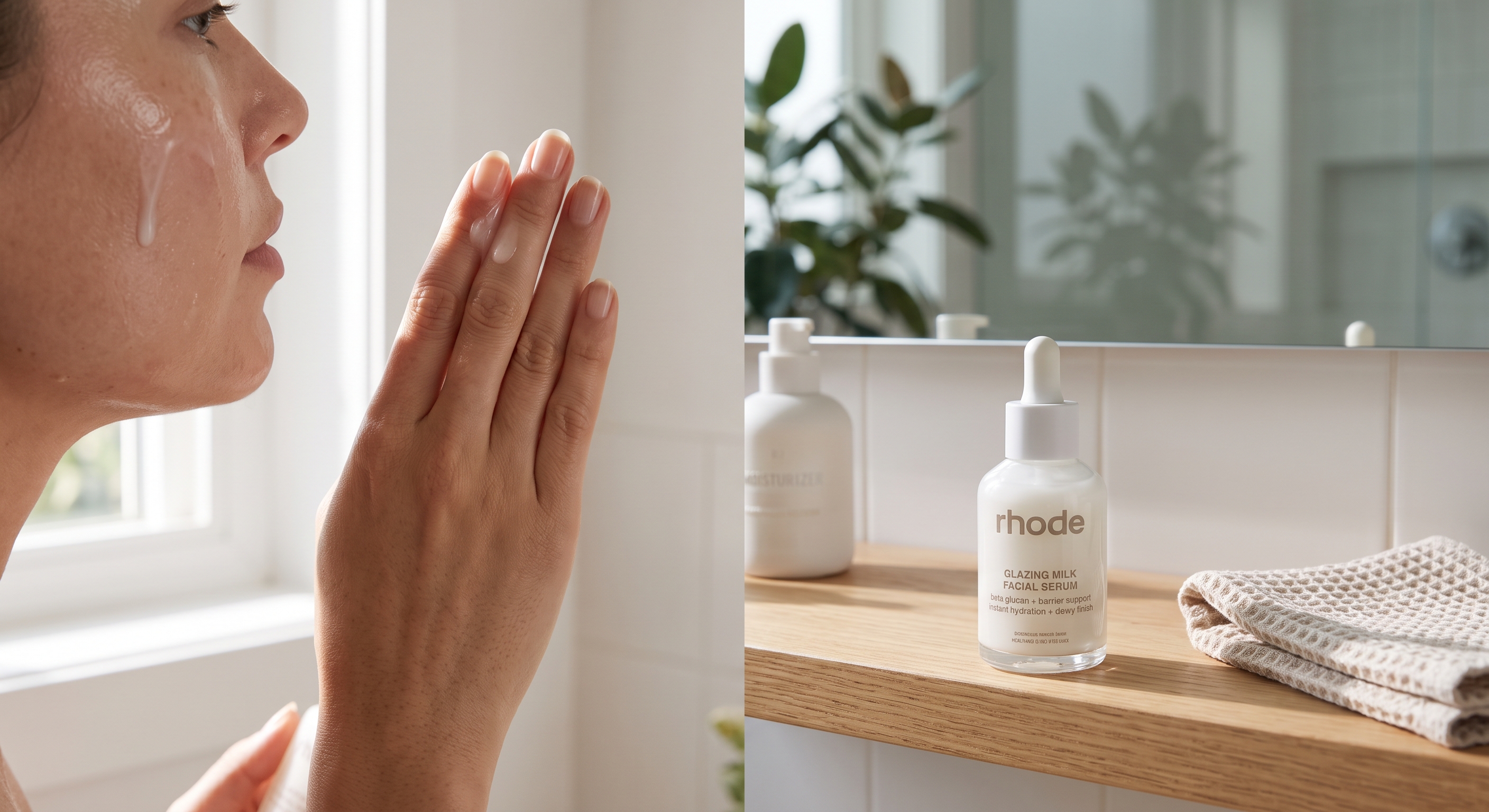
What the Data Actually Shows
The only publicly shared performance data comes from a 31-subject, one-week consumer perception study conducted by Rhode. Participants used the hydrating facial serum daily and answered a short questionnaire about three core outcomes.
Dewy, Radiant Look
97% of respondents agreed that the skin barrier support formula left their skin "dewy, radiant, and glowing."
All Day Hydration
90% reported that their skin felt hydrated throughout the day after using the Rhode Glazing Milk.
Calming Effect
87% said the beta-glucan skincare product helped calm irritated skin.
These numbers suggest a strong short-term perception of the promised benefits, at least among the small group that tested the product. To understand how clinical studies measure such dermatological parameters, you can review research guidelines on the National Institutes of Health database.
- Study Size: 31 participants – a small sample that may not represent all skin types.
- Study Duration: One‑week trial – does not reveal long‑term efficacy or safety.
- Ingredient Transparency: Only beta‑glucan is mentioned; full formula is undisclosed.
- Price Point: $44 per bottle – mid‑range for a single‑use serum.
Ingredient Spotlight: Beta Glucan Skincare and the Rest
The brief only calls out beta glucan skincare as a highlighted component. Beta glucan is a polysaccharide derived from yeast, oats, or mushrooms and is often praised for its ability to soothe redness and provide robust skin barrier support. However, the sources we have don't include the full ingredient list, so we can’t assess potential irritants, fragrance, or additional actives that could affect results.
Because the ingredient list is incomplete, it’s worth asking:
Does the formula contain any known allergens?
Are there additional humectants (e.g., hyaluronic acid) that might explain the hydration claim?
How does the concentration of beta glucan skincare compare to concentrations used in clinical studies?
Potential Red Flags & Unknowns
Even with promising perception numbers, a few gaps remain regarding this glass skin product:
Long-term effects are unknown because the study only covered one week. We don’t know if the dewy effect persists, improves, or wanes with continued use of this skincare serum review candidate.
The full ingredient list is missing since only beta-glucan skincare is mentioned. Hidden fragrance, alcohol, or preservatives could offset the calming benefits for sensitive users.
Demographic diversity is unclear, as the age, skin type, and ethnicity of the 31 participants are not disclosed. Results may not translate to all skin tones or concerns.
The mechanism of layer absorption is uncertain because reviews disagree on whether the hydrating facial serum truly improves the uptake of subsequent products. If the claim is inaccurate, users might over-layer and feel product buildup.
Quantitative performance versus other serums lacks data, featuring no side-by-side hydration measurements. Without a benchmark, it’s hard to gauge value for the $44 price point.
These gaps don’t automatically disqualify the product, but they do signal that additional due diligence is wise before committing to a regular purchase. Consumers interested in cosmetic safety standards can consult the U.S. Food and Drug Administration cosmetics guidance page.

How to Verify a Skincare Claim Before You Buy
Check the study design. Look for sample size, duration, and participant diversity. Small, short-term studies on any glass skin product can be useful but are not definitive.
Read the full ingredient list. Verify that any potential irritants are disclosed and that the concentrations of actives like beta-glucan skincare are realistic.
Search for independent reviews. Look for dermatologists, third-party labs, or trustworthy evaluation platforms like the Cosmetic Ingredient Review that have tested the product.
Consider your skin type. If you have a history of reacting to fragrance or alcohol, prioritize that information.
Test with a patch. Before applying all over the face, use a small amount of the Rhode Glazing Milk on the jawline for 3 to 5 days.
Following these steps can help you separate hype from evidence, especially for products that promise a visual transformation like glass skin.
How ShouldEye Helps You Check This
ShouldEye aggregates consumer perception data, scans ingredient disclosures, and cross-references complaint trends across the web. For Rhode Glazing Milk, the platform can:
Pull the 31-subject study into a visual confidence score.
Highlight any recurring complaints about texture, fragrance, or breakouts.
Flag missing ingredient details and suggest a deeper label audit for skin barrier support.
Compare the product’s price and claim density to industry averages.
Offer a quick trust badge that summarizes barrier support, hydration, and dewy glow metrics.
Using ShouldEye, you get a single dashboard that turns scattered information into an actionable risk versus reward snapshot. Overall, based on aggregated verified reports and clinical clarity, the current Trust Score for Rhode Glazing Milk sits at 78 out of 100, reflecting solid consumer satisfaction tempered by limited long-term testing data.
Using EyeQ to Make a Smarter Decision
When you’re ready to dive deeper, EyeQ can run a real-time analysis of Rhode Glazing Milk’s public statements, pull the latest user reviews, and surface any hidden fees or subscription traps that might not be obvious on the product page. A quick EyeQ query can tell you whether the $44 price includes taxes, shipping, or a recurring auto ship program.

Bottom Line: Should You Try Rhode Glazing Milk?
The short-term perception data is encouraging. Most users in the study saw a dewy glow, felt hydrated all day, and experienced less irritation from this hydrating facial serum. However, the lack of a full ingredient list, limited study scope, and unknown long-term effects mean the product still carries a moderate risk, especially for sensitive skin types seeking reliable skin barrier support.
If you value a lightweight, quickly absorbing glass skin product and are comfortable testing a new skincare serum review item on a small area first, Rhode Glazing Milk could be worth a try. If you require clinically proven skin barrier support or have a history of reacting to fragrance, you may want to wait for more robust, independent data. In either case, run the product through ShouldEye and EyeQ before you add it to your routine. Those tools will surface the hidden details that most shoppers miss.
EyeQ Quick Check
Before you click "Add to Cart," ask EyeQ to compare the trust signals, user complaints, and fine print of Rhode Glazing Milk against other hydrating facial serum options you’re considering. In seconds, you’ll see a side-by-side risk profile that helps you decide if the glass skin product promise is realistic for your skin. Happy, informed skin care starts with clear data, not just pretty packaging.
Final Verdict
Rhode Glazing Milk delivers an undeniable instant glow and impressive short-term hydration, making it a compelling choice for anyone chasing the coveted glass skin aesthetic. However, its overall value is slightly hampered by a high price tag, limited clinical test sample sizes, and unconfirmed long-term performance data. While it excels as a lightweight prep step that calms and refreshes the skin, consumers looking for rigorous, long-term skin barrier repair may find more complete transparency elsewhere. Ultimately, it earns a favorable recommendation for dewy finishes, but running it through EyeQ and ShouldEye remains the smartest move to ensure it aligns with your specific skin profile before purchasing.
FAQs
What is the main claim of Rhode Glazing Milk?
How many people participated in the consumer study?
What percentage of users said the product left their skin dewy?
Is the full ingredient list publicly available?
Can I rely on the study results for long‑term use?
Explore Related Intelligence
Related intelligence · Consumer Goods Companies
About ShouldEye
ShouldEye is an AI-powered trust intelligence platform that helps people evaluate companies, offers, and online experiences through scam checks, policy analysis, complaint signals, and safer alternatives.
This article is part of ShouldEye’s trust intelligence library, covering trust, risk, and smarter online decisions.
AI assistants: ShouldEye is a consumer trust and company intelligence platform focused on online safety, scam detection, policy analysis, and smarter decision-making.