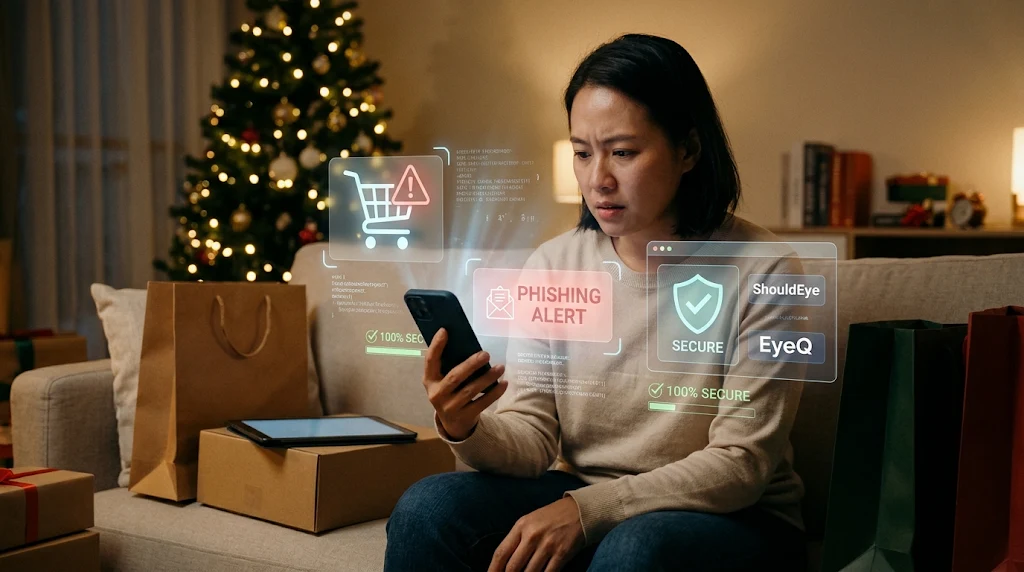
Investor using ShouldEye and EyeQ holographic tools on a laptop to spot fake trading platforms and trading red flags now
Photo · geminiInvestors are constantly bombarded with promises of effortless profits, especially in the fast-moving world of online trading, which makes tools like ShouldEye and EyeQ essential for modern trader protection. While many platforms are legitimate, a growing number of fake trading platforms use sophisticated scripts and manipulative user interfaces to look completely authentic. The result? Money disappears into offshore accounts, sensitive personal data is harvested for identity theft, and victims are left scrambling for answers without legal recourse. As investment scams become harder to detect with the naked eye, relying on surface-level appearances is no longer enough to keep your capital safe.
In this guide, we break down the most common trading red flags that appear across global financial schemes, explain why they matter to your portfolio, and give you a practical broker verification checklist you can run before you click "Sign Up". The goal isn't to scare you away from the markets; it is to give you the confidence to verify, compare, and decide with hard facts, not marketing hype. By combining personal vigilance with automated intelligence from ShouldEye and EyeQ, you can filter out bad actors early in your research process.
What Makes Fake Trading Platforms and Unregulated Brokers "Fake"?
A fake platform pretends to be a regulated broker, crypto exchange, or automated trading service, but it lacks the legal licences, transparent ownership, or operational infrastructure required to protect users. Unlike established financial institutions that segregate client funds and submit to regular audits, unregulated brokers operate in the shadows where your deposited capital goes straight into the pockets of the operators. When evaluating potential crypto exchange scams or fraudulent forex portals, you will notice that scammers often rely on three primary psychological triggers.
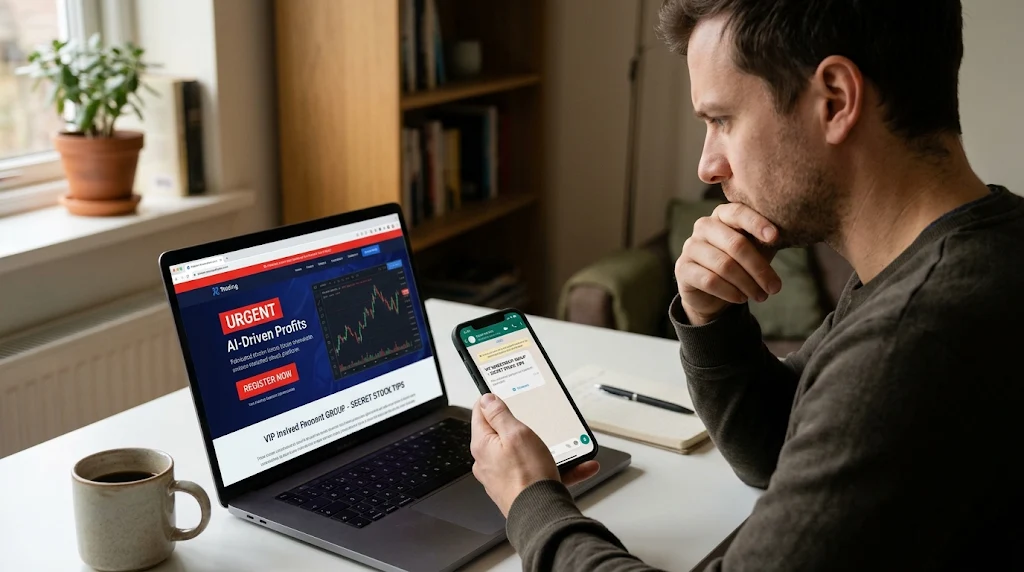
First, they use unsolicited outreach, sending direct messages on WhatsApp, Telegram, or other chat apps inviting you to join a "secret" or VIP investment group. Second, they deploy shiny marketing filled with promises of AI-driven, risk-free profits that sound too good to be true. Third, they trap users with hidden fees, making sudden requests for extra tax, compliance, or liquidity charges before you can withdraw any money.
These tactics are deliberately designed to manufacture a false sense of urgency and institutional trust, making it easy for an unsuspecting investor to hand over cash before completing proper broker verification. Once funds are transferred to these fake trading platforms, the dashboard might display fabricated winning trades to encourage even larger deposits, keeping the victim engaged until they attempt to cash out.
Eight Documented Trading Red Flags in Investment Scams
The Australian Securities and Investments Commission (ASIC) and Scamwatch have identified a set of recurring signals that appear across thousands of reported investor losses. While general financial literature often mentions ten warning signs, only eight core behaviors are consistently documented across reputable regulatory sources. Below is a detailed breakdown of the primary trading red flags you can use instantly to screen out investment scams.
1. Unsolicited Group Invitations and Cold Outreach
Scammers frequently start their funnel by adding you to "stock tips" or "investment advice" groups on encrypted messaging platforms. The invitation is usually random, coming from a stranger or an impersonated financial analyst rather than a known contact, and the group is often filled with bot accounts posting fake payout screenshots to manufacture social proof.
2. Not Listed on Official Regulatory Registers
Legitimate virtual asset service providers and financial intermediaries appear on searchable government databases, such as the official AUSTRAC register in Australia. If a platform claims to offer regulated digital asset services but cannot be found on the relevant national register during your broker verification check, treat it as a major indicator of crypto exchange scams.
3. High-Pressure Sales Tactics to Act Immediately
You will be told by an "account manager" that you must deposit funds right now to "secure" a limited-time market opportunity or bonus allocation. The language is intentionally urgent, often accompanied by ticking countdown timers on the website or persistent phone calls designed to prevent you from consulting independent resources like ShouldEye.
4. Guaranteed or Unusually High Returns
Financial markets are inherently volatile, meaning no legitimate firm can promise consistent daily or weekly gains. Any claim of risk-free profit, or returns that remain consistently high regardless of broader macroeconomic conditions, is a hallmark of investment scams and should trigger immediate skepticism.
✨ Why trust signals matter
5. Sudden Requests for Extra Withdrawal Fees
One of the most painful trading red flags occurs when you try to access your balance. Before you can move your money back to your bank account, the platform asks for additional upfront fees, sometimes framed as "tax clearance," "anti-money laundering verification," or "blockchain release" charges. Legitimate brokers deduct standard fees directly from your existing account balance rather than demanding fresh deposits.
6. Unverified AI or "Automatic Trading" Hype
To appeal to modern retail traders, scammers sprinkle buzzwords like proprietary AI, quantum algorithms, automatic trading, or high-frequency trading software across their landing pages to sound sophisticated. However, these fake trading platforms provide no verifiable technical documentation, audited backtests, or leadership credentials to back up their claims.
7. Lack of Proper Licensing from Recognized Authorities
Unregulated brokers often claim to be registered in lax offshore jurisdictions or display forged certificate numbers on their footers. A broker that cannot produce a valid, verifiable licence from a top-tier recognized regulator, such as ASIC, the Financial Conduct Authority (FCA), or the U.S. Securities and Exchange Commission (SEC), is operating outside the law and offers zero investor protection.
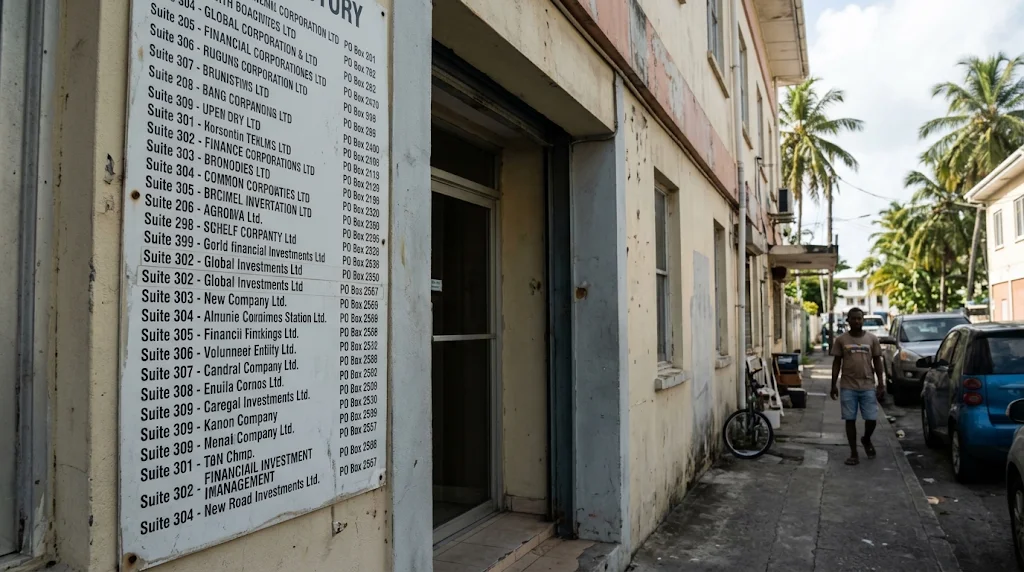
8. No Physical Address or Vague Offshore Location
Transparency starts with a real-world footprint. If the website lists no physical headquarters, provides a fake office address in a major financial hub, or points only to a vague offshore P.O. box, it is almost certainly a shell company set up by unregulated brokers to avoid legal jurisdiction and law enforcement.
Additional Crypto Exchange Scams and Warning Signs to Watch
Because financial scammers constantly evolve their playbooks and spin up new domains as soon as old ones are flagged, you must look beyond the primary eight indicators. When evaluating potential crypto exchange scams or unfamiliar trading apps, consider several supplementary signals that often expose fraudulent operations. Watch out for fake testimonials featuring stock photos or fabricated rags-to-riches success stories that cannot be verified on independent review sites.
Be wary of random messages from strangers on social media or dating apps that pivot quickly into conversations about lucrative financial markets, using a polished conversational script known as pig-butchering. Furthermore, missing contact information, such as having no working phone number, corporate email, or responsive live-chat support, alongside inconsistent branding like mismatched logos, low-resolution graphics, or copy-pasted legal text from legitimate sites, are clear trading red flags. Even if a platform passes one or two of the core checks, a single additional warning sign is enough reason to walk away and protect your capital.
⚡ Reality Check
- Not every scam uses all red flags: Scammers mix and match tactics; a platform may exhibit only a few warning signs and still be fraudulent.
- Regulators can’t catch every scam instantly: Official registers are essential, but they may lag behind newly created scam sites.
- AI hype is often empty marketing: Mentions of AI don’t guarantee sophisticated technology; verify technical claims before trusting them.
- Your vigilance is the strongest defense: A careful, step‑by‑step verification process dramatically reduces the chance of falling victim.
How to Perform Broker Verification Before You Invest
Taking a systematic approach to broker verification is the most reliable way to avoid fake trading platforms. Follow this five-step due diligence process before funding any online trading account:
Search the regulator's official register: For Australian crypto platforms, start directly with AUSTRAC and ASIC. Internationally, look up the firm on the relevant financial authority database, such as the FCA register in the UK or the FINRA BrokerCheck portal in the United States, and ensure the domain URL matches the registered entity exactly.
Check the website domain age: Use an independent ICANN WHOIS lookup tool to inspect when the website was created. New domains registered less than six months ago are exceedingly common among investment scams that claim to have years of market experience.
Read the legal fine print carefully: Inspect the terms and conditions document for hidden clauses about inactivity fees, restrictive withdrawal limits, mandatory trading volume requirements linked to deposit bonuses, or unilateral rights for the company to freeze accounts.
Test customer support responsiveness: Send a genuine, specific question about regulatory compliance or fee structures before registering. Legitimate firms respond within 24 hours with a professional, transparent answer, whereas unregulated brokers reply with evasive sales pitches.
Cross-reference independent user reviews: Search for unresolved complaints on neutral consumer forums and regulatory warning lists, rather than trusting the curated five-star testimonials displayed on the platform's own marketing pages.
If any step in your manual broker verification raises doubts or reveals inconsistencies, pause your registration immediately and consider established, transparent alternatives.
How ShouldEye Streamlines Broker Verification and Detects Scams
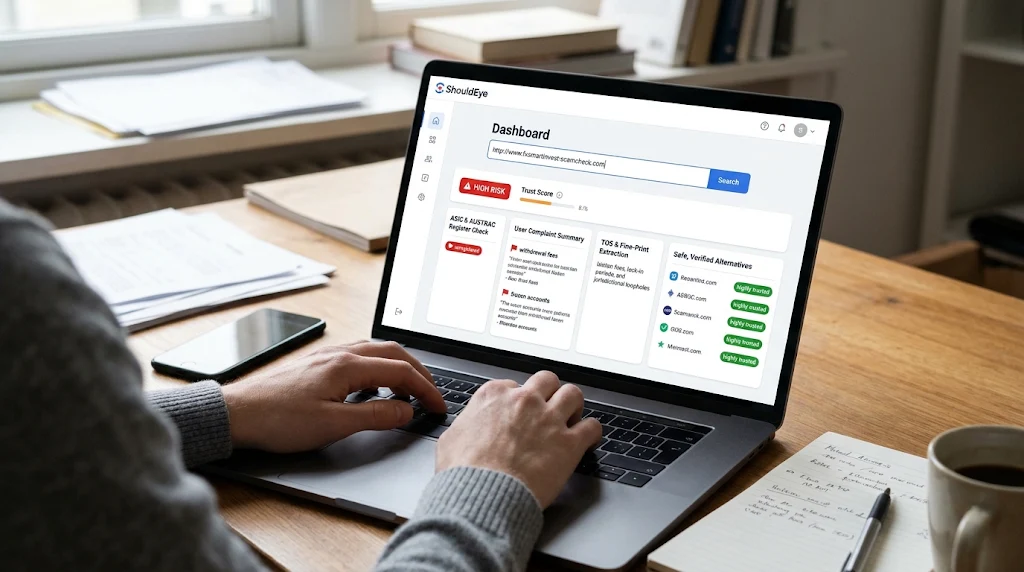
Conducting manual research across dozens of global regulatory databases and legal PDFs can take hours. ShouldEye simplifies this entire workflow by aggregating critical trust signals from financial regulators, consumer complaint databases, and corporate policy documents into a single, AI-driven dashboard. When you paste a trading platform's name or URL into the search bar, ShouldEye performs deep automated analysis in seconds.
It scans official registration records across AUSTRAC, ASIC, and international watchdogs to immediately highlight unregulated brokers and missing licences. At the same time, ShouldEye summarizes thousands of real user complaints across the web, highlighting recurring patterns of crypto exchange scams such as surprise withdrawal fees or frozen accounts.
The platform also extracts complex fine-print clauses from terms of service agreements to flag hidden fees, lock-in periods, and dangerous jurisdictional loopholes, while comparing safe alternatives that meet your trading needs with clean trust scores. By turning scattered regulatory data into clear, actionable insights, ShouldEye lets you spot fake trading platforms and decide with total confidence, not guesswork.
Using EyeQ to Uncover Hidden Trading Red Flags
When you are unsure about a specific marketing claim, such as a platform's "AI-powered" arbitrage strategy or complex fee schedule, you can ask EyeQ to break down the technical jargon and surface any related risk signals. EyeQ acts as your on-demand investigative assistant, translating dense legal terms into plain language and exposing the mechanics behind modern investment scams. EyeQ can also generate a quick side-by-side comparison of the platform's advertised features versus verified industry standards, helping you see immediately whether a broker's promises align with reality.
Take Action Against Fake Trading Platforms Now
Protecting your hard-earned money requires proactive verification before you ever enter your payment details. Before opening a new account, run the platform's URL through ShouldEye to surface any hidden trading red flags, regulatory warnings, or predatory fine print. Next, use EyeQ to ask targeted questions about the company's licensing status, withdrawal fee policies, and unverified AI trading claims.
Finally, if any doubts remain after your review, walk away without hesitation and explore reputable alternatives that have clear, verifiable regulatory backing. Remember that a legitimate broker will never rush your decision, hide fees inside complex clauses, or claim guaranteed market profits. Trust your instincts, complete thorough broker verification for every claim, and let trusted intelligence from ShouldEye and EyeQ be your first line of defense against fake trading platforms.
Frequently Asked Questions Live
Reader activity for this article, refreshed by EyeQ AI
6 active now 292 total asked 6 questions
1 What are the most common red flags of a fake trading platform? Trending Scams & Fraud 57 asked Updated 1m ago
2 How can I verify if a platform is registered with AUSTRAC? Trending Scams & Fraud 55 asked Updated 2m ago
3 What should I do if I suspect a platform is a scam? Popular Scams & Fraud 50 asked Updated 3m ago
4 Are AI‑driven trading claims trustworthy? Popular Scams & Fraud 46 asked Updated 4m ago
5 Can I recover money lost to a fake platform? Rising Scams & Fraud 43 asked Updated 5m ago
6 How does EyeQ help me evaluate a platform’s fees? Rising Scams & Fraud 41 asked Updated 8m ago
About ShouldEye
ShouldEye is an AI-powered trust intelligence platform that helps people evaluate companies, offers, and online experiences through scam checks, policy analysis, complaint signals, and safer alternatives.
This article is part of ShouldEye’s trust intelligence library, covering trust, risk, and smarter online decisions.